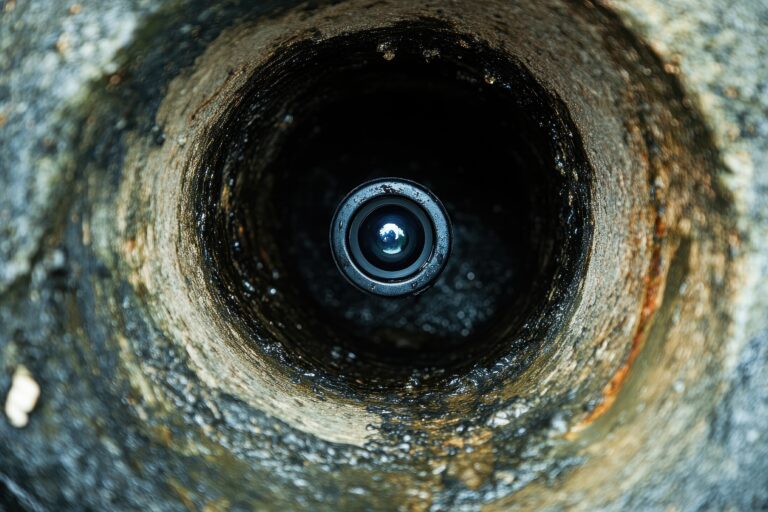
Septic tanks are a common solution for domestic wastewater treatment, particularly in rural areas of the South of England. However, strict environmental regulations govern how and where septic tank effluent can be discharged to prevent pollution and protect natural water sources. Understanding these rules is crucial for homeowners to ensure compliance, avoid fines, and maintain an efficient septic system. This article outlines the key environmental regulations and best practices for septic tank discharge in the region.
1. The General Binding Rules
The General Binding Rules (GBRs) set by the Environment Agency (EA) apply to septic tanks and small sewage treatment plants in England. These rules are designed to reduce pollution and ensure that septic systems operate without harming the environment.
Key Requirements Under the General Binding Rules:
- No Direct Discharge to Surface Water – Since January 1, 2020, septic tanks can no longer discharge untreated wastewater directly into rivers, streams, ditches, or other surface water bodies. Instead, they must discharge to the ground via a properly designed drainage field (soakaway system).
- Proper System Maintenance – Homeowners must regularly empty and maintain their septic tank to prevent pollution. Desludging should typically be done every 12-36 months.
- System Suitability – The system must be sized correctly for the number of occupants in the property and installed in suitable ground conditions to ensure proper drainage.
- Pollution Prevention – If a system causes pollution (such as foul odours, overflowing, or contamination of groundwater), the owner must repair, replace, or upgrade it.
- Registration and Permits – Some septic tanks and treatment plants may require permits if they are in environmentally sensitive locations.
2. Septic Tank Discharge to a Drainage Field
If your septic tank discharges to the ground, it must be done via a drainage field (soakaway), not a soakaway pit or borehole. A drainage field consists of a network of perforated pipes buried underground that allow wastewater to be absorbed and naturally treated by the soil.
Drainage Field Regulations:
- Must be located at least 10 metres from a watercourse.
- Must be at least 50 metres from a well, borehole, or spring used for drinking water.
- Should not be installed in clay-heavy or poorly draining soils.
- Requires a percolation test before installation to ensure the soil can absorb wastewater properly.
If the drainage field is inadequate, homeowners may need to upgrade to a sewage treatment plant, which provides cleaner effluent that can be legally discharged into surface water.
3. Special Considerations for the South of England
A. Chalk and Clay Soils
- Chalky soils (Sussex, Hampshire, Dorset) drain quickly, making percolation tests essential to ensure wastewater is properly filtered before reaching groundwater.
- Clay-heavy soils (Surrey, Kent, Berkshire) drain poorly, often requiring an alternative drainage solution such as raised drainage beds or a treatment plant.
B. Protected Areas and Conservation Zones
- New Forest, South Downs, and Areas of Outstanding Natural Beauty (AONBs) have stricter regulations to protect local ecosystems.
- If your property is near a Site of Special Scientific Interest (SSSI) or within a groundwater protection zone, you may need an environmental permit for your septic system.
C. Rising Groundwater Levels and Flood Risks
- Low-lying coastal areas and flood-prone regions (e.g., parts of Sussex and Hampshire) can experience groundwater flooding, which may interfere with septic tank drainage. In such cases, sewage treatment plants with pumped discharge systems may be required.
4. Upgrading or Replacing a Septic Tank
If your septic tank does not meet current regulations, you will need to upgrade or replace it. Homeowners have two main options:
Option 1: Install a Drainage Field
- Required for all septic tanks discharging to the ground.
- Must comply with BS 6297:2007 standards.
- Costs vary depending on soil conditions but typically range from £4,000 to £10,000.
Option 2: Upgrade to a Sewage Treatment Plant
- Required if your septic tank discharges to surface water.
- Provides higher-quality wastewater treatment, reducing environmental impact.
- Requires an electricity supply, but running costs are minimal.
- Typical installation costs range from £5,000 to £15,000.
5. Enforcement and Penalties
Failure to comply with septic tank discharge regulations can lead to enforcement actions by the Environment Agency. Potential consequences include:
- Fines of up to £100,000 for serious pollution offences.
- Legal orders requiring system upgrades or replacement.
- Prosecution in severe cases of environmental damage.
Homeowners are advised to schedule regular inspections and maintenance to ensure compliance and avoid costly penalties.
6. How to Ensure Compliance
To keep your septic system compliant with environmental laws, follow these best practices: ✅ Check your discharge location – Ensure your system is not discharging directly into a watercourse. ✅ Maintain your tank regularly – Arrange for professional emptying and servicing every 1-3 years. ✅ Perform a percolation test – Before installing a drainage field, confirm the soil can absorb wastewater properly. ✅ Upgrade if necessary – If your system no longer meets the rules, plan to install a drainage field or sewage treatment plant. ✅ Check local regulations – If your property is in a protected area, consult the Environment Agency for specific permit requirements.
Conclusion
Septic tank regulations in the South of England are designed to protect groundwater, prevent pollution, and ensure proper wastewater treatment. Homeowners must ensure their systems discharge via a compliant drainage field and do not pose environmental risks. By regularly maintaining, inspecting, and upgrading their systems when needed, property owners can stay compliant, avoid fines, and contribute to a cleaner environment. If in doubt, consulting a professional drainage specialist can provide guidance on meeting current environmental standards.