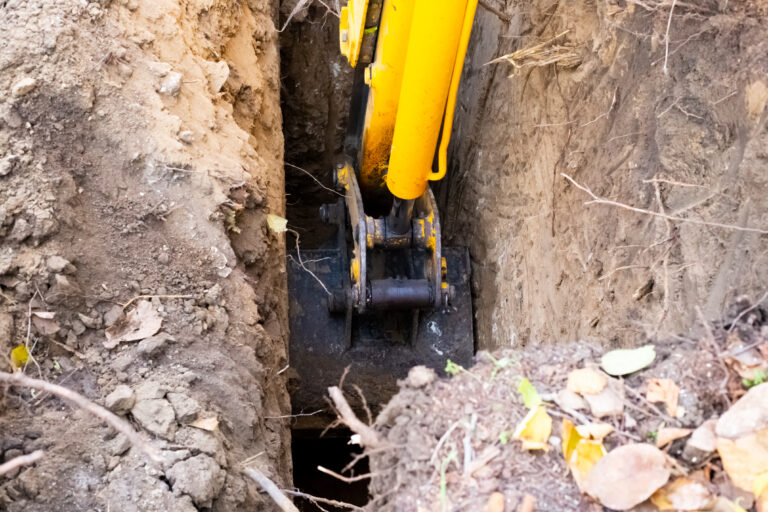
A soakaway is an underground drainage system designed to manage excess water, allowing it to disperse naturally into the surrounding soil. It is a highly effective solution for dealing with surface water runoff, particularly in areas where traditional drainage systems are not available or practical. In the South of England, where varied soil conditions and increasing rainfall pose drainage challenges, soakaways are becoming an increasingly popular choice for homeowners. This article explores what a soakaway is, how it works, and why it is an excellent solution for domestic properties in the region.
What is a Soakaway?
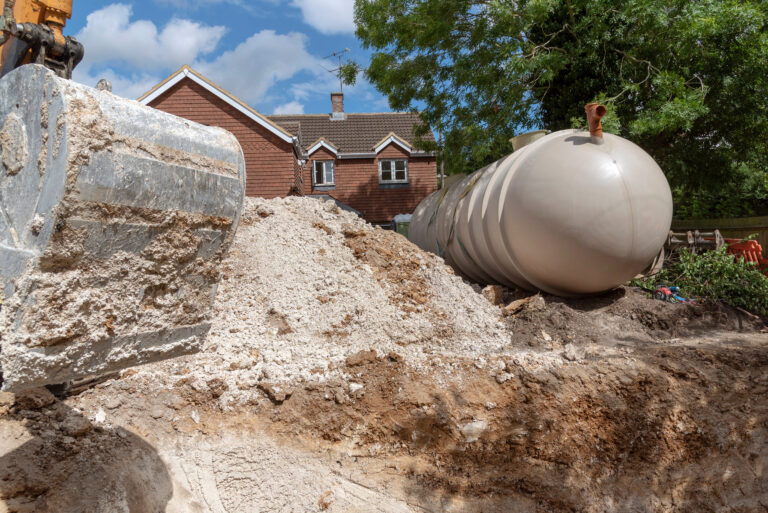
A soakaway is a subsurface drainage system that collects and gradually disperses rainwater or wastewater into the surrounding soil. It typically consists of a large, gravel-filled pit, a modular plastic crate system, or perforated pipes designed to allow water to filter slowly into the ground.
Soakaways are commonly used for:
- Managing rainwater runoff from roofs, driveways, and patios
- Supporting septic tank drainage fields
- Reducing surface water flooding
- Preventing water pooling and dampness around buildings
By directing water away from structures and preventing standing water, soakaways help to protect homes from moisture damage, flooding, and soil erosion.
How Does a Soakaway Work?
- Water Collection – Rainwater or wastewater from gutters, drains, or septic systems is directed into the soakaway.
- Filtration and Absorption – The soakaway allows water to slowly percolate through gravel, soil, or specially designed drainage crates, filtering out debris and pollutants.
- Gradual Dispersion – Water is absorbed into the ground at a controlled rate, reducing the risk of flooding and oversaturation.
Soakaways are often installed in gardens, under driveways, or in designated drainage fields, depending on property size and ground conditions.
Why Are Soakaways Popular in the South of England?
1. Varied Soil Conditions and Drainage Needs
The South of England has a mix of different soil types, which impact natural drainage:
- Chalky soils (Sussex, Dorset, Hampshire) – Naturally porous, allowing water to drain efficiently, making soakaways an effective solution.
- Clay-heavy soils (Surrey, Kent, Berkshire) – Can retain water, leading to slow drainage. Proper design, including larger soakaways or alternative drainage solutions, ensures effectiveness.
- Sandy soils (Coastal areas) – Excellent drainage capabilities, making soakaways a cost-effective option for managing excess rainwater.
Because soakaways can be tailored to different ground conditions, they offer a flexible drainage solution for many homeowners across the region.
2. Managing Increasing Rainfall and Flood Risks
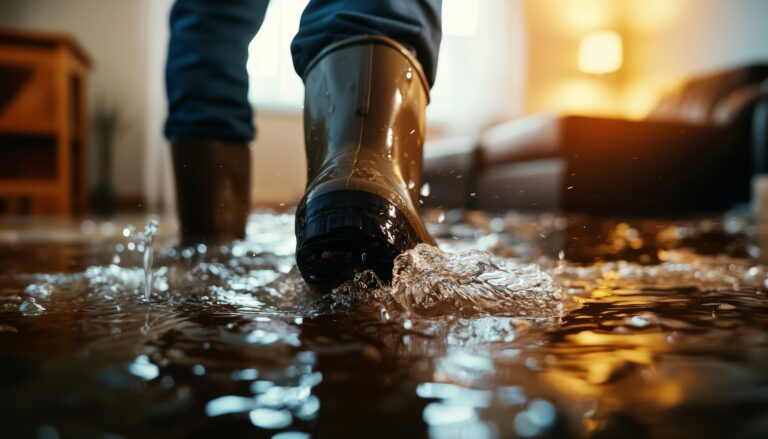
The South of England has experienced increased heavy rainfall and extreme weather events, leading to a greater need for effective drainage solutions. Many homes, particularly in low-lying areas or near rivers, suffer from water pooling and minor flooding.
Soakaways help to:
- Reduce the risk of localised flooding
- Prevent waterlogging in gardens and driveways
- Ensure compliance with UK Sustainable Drainage Systems (SuDS) guidelines
3. Cost-Effective Alternative to Mains Drainage
Not all properties in the South of England have access to mains drainage, particularly in rural areas like the South Downs, New Forest, and West Country villages. Extending public drainage systems can be expensive and impractical.
Soakaways provide a low-maintenance, cost-effective solution for managing wastewater and rainwater, eliminating the need for extensive pipework or ongoing sewer costs.
4. Enhancing Septic Tank and Treatment Plant Efficiency
Many rural properties in the South of England rely on septic tanks or small sewage treatment plants. A soakaway system can be used to effectively manage the outflow from these systems, ensuring:
- Proper filtration of wastewater before it reaches groundwater
- Longer lifespan of septic tanks by preventing overload
- Compliance with Environment Agency regulations on wastewater disposal
For homeowners with septic systems, a soakaway is often the best option for responsible and sustainable wastewater management.
5. Eco-Friendly and Sustainable Drainage Solution
Soakaways mimic natural drainage processes, reducing reliance on man-made drainage infrastructure. They contribute to:
- Improved groundwater recharge (helping to maintain natural water levels)
- Less water runoff pollution (as water is naturally filtered through the ground)
- Lower environmental impact compared to traditional drainage methods
For eco-conscious homeowners, a soakaway offers a sustainable and long-term way to manage water on their property.
Maintaining a Soakaway System
To ensure a soakaway remains effective, it should be properly maintained:
- Clear gutters and drains to prevent debris buildup
- Inspect for blockages in the inlet pipes
- Monitor for slow drainage or surface water pooling, which may indicate clogging
- Avoid driving or placing heavy loads over the soakaway area
With proper installation and periodic maintenance, a soakaway can provide reliable drainage for decades.
Conclusion
A soakaway is an effective, affordable, and environmentally friendly solution for managing rainwater and wastewater on domestic properties in the South of England. Whether dealing with heavy rainfall, poor soil drainage, or septic system outflow, homeowners can benefit from a well-designed soakaway system. With its ability to prevent flooding, protect property foundations, and comply with modern drainage regulations, it remains one of the most practical and sustainable choices for residential drainage.