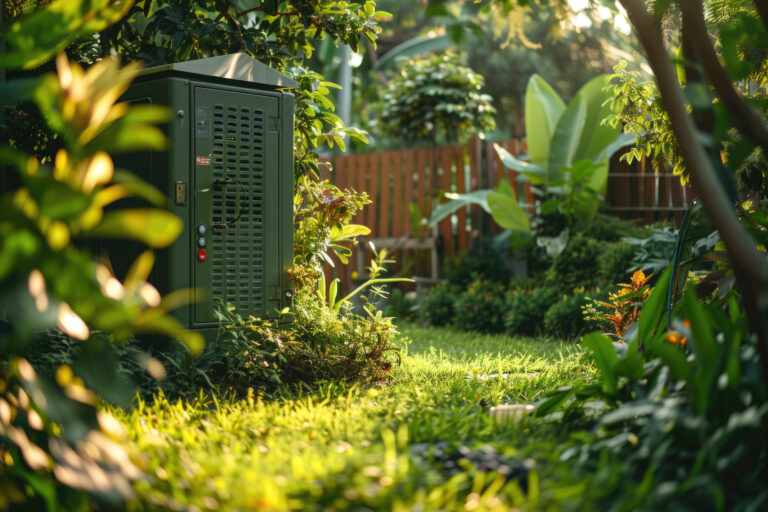
Sewage treatment plants are becoming an increasingly popular choice for domestic properties in the South of England. With stricter environmental regulations, growing concerns about wastewater management, and a demand for sustainable drainage solutions, many homeowners are turning to these systems as a modern, efficient, and eco-friendly alternative to traditional septic tanks. In this article, we will explore what sewage treatment plants are, how they work, and why they are a smart choice for homes in the South of England.
What is a Sewage Treatment Plant?
A sewage treatment plant (STP) is an advanced wastewater treatment system that processes household sewage to produce a cleaner, more environmentally friendly effluent. Unlike septic tanks, which rely on natural separation and bacterial breakdown, treatment plants use aeration and mechanical processes to treat waste more effectively.
The key components of a sewage treatment plant typically include:
- Primary settlement tank – Where solids separate from liquid waste.
- Aeration chamber – Where bacteria break down organic matter using oxygen.
- Final settlement tank – Where treated water is clarified before being discharged into the environment.
The final effluent from a sewage treatment plant is much cleaner than that from a septic tank, meaning it can be discharged into soakaways, drainage fields, or watercourses (if permitted).
Why Are Sewage Treatment Plants a Smart Choice for Homes in the South of England?
1. Compliance with Environmental Regulations
In January 2020, the Environment Agency introduced stricter regulations under the General Binding Rules, prohibiting septic tanks from discharging directly into surface water. Homeowners with non-compliant septic systems must either install a drainage field or upgrade to a sewage treatment plant.
Sewage treatment plants produce much cleaner effluent than septic tanks, making them an easier and more compliant solution for many homeowners in the South of England.
2. Suitable for a Variety of Soil Conditions
The South of England features diverse soil types, affecting how wastewater can be safely discharged:
- Chalky and sandy soils (common in Sussex, Dorset, and Hampshire) drain well, making soakaways an effective option.
- Clay-heavy soils (found in Surrey, Kent, and Berkshire) have poor drainage, making sewage treatment plants a better choice since they allow for direct watercourse discharge (where permitted).
A properly designed system ensures compliance with regulations while addressing local drainage challenges.
3. Ideal for Rural and Off-Mains Properties
Many rural homes in the South of England are not connected to the main sewer system, making private sewage solutions essential. Sewage treatment plants provide a low-maintenance, long-term solution for households without mains drainage, offering greater independence and reliability.
Unlike traditional septic tanks, which require a larger drainage field, sewage treatment plants reduce land requirements, making them ideal for homes with limited space.
4. Environmentally Friendly Solution
Sewage treatment plants use natural bacteria and aeration to break down waste, producing effluent that is over 90% cleaner than traditional septic tank discharge. This helps:
- Protect local waterways from pollution.
- Prevent groundwater contamination.
- Reduce unpleasant odours and sludge buildup.
In environmentally sensitive areas such as the South Downs National Park, New Forest, and coastal regions, an STP is often the best choice for responsible wastewater management.
5. Lower Maintenance and Running Costs
While sewage treatment plants require an electricity supply for aeration, they have lower long-term maintenance costs than many traditional septic systems. With regular servicing (typically once a year) and desludging (every 12-36 months, depending on usage), an STP can provide decades of reliable service.
Additionally, advances in energy-efficient models have reduced power consumption, making modern systems more cost-effective to run.
6. Increased Property Value and Marketability
Homebuyers are becoming more aware of wastewater regulations and the costs associated with upgrading old drainage systems. Having a modern, compliant sewage treatment plant in place can:
- Increase property value.
- Make the home more attractive to buyers.
- Ensure a smoother sales process, avoiding costly last-minute upgrades before selling.
For properties in rural and off-grid locations, having a fully compliant STP is a major selling point.
Is a Sewage Treatment Plant Right for Your Home?
A sewage treatment plant is ideal for you if: ✅ You need to replace an old or non-compliant septic tank. ✅ Your home is not connected to mains drainage. ✅ You have limited space for a drainage field. ✅ You want an environmentally friendly wastewater solution. ✅ You live in an area with poorly draining soil.
If you’re unsure, a drainage professional can assess your property, conduct a percolation test, and advise on the best wastewater solution for your needs.
Conclusion
Sewage treatment plants offer a modern, eco-friendly, and regulation-compliant solution for wastewater management in the South of England. Their ability to handle diverse soil conditions, meet environmental standards, and provide cost-effective long-term performance makes them an ideal choice for homeowners. Whether you’re looking to upgrade an old septic tank, build a new home, or future-proof your property, a sewage treatment plant is a smart and responsible investment.