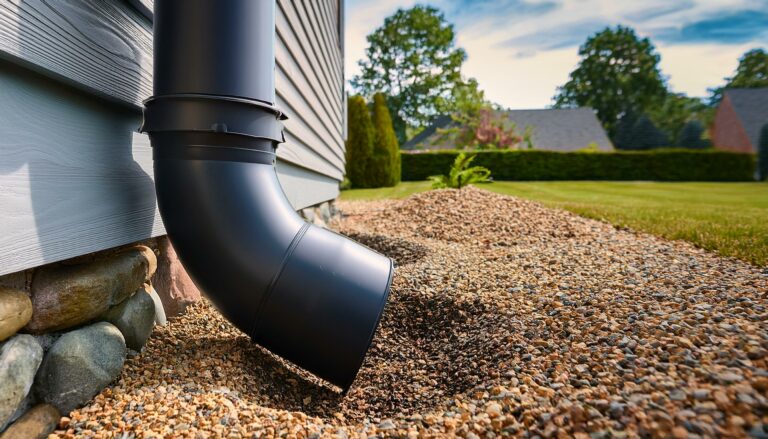
Managing rainwater effectively is essential for any property, particularly in areas where surface water can cause damage, damp, or flooding. A soakaway is one of the most practical and eco-friendly drainage solutions for dealing with excess rainwater around homes in the Midlands. Whether you live in a rural village, a suburban neighbourhood, or an older property, here are eight reasons why a soakaway could be the perfect solution for your home.
1. Helps Prevent Surface Water Flooding
The Midlands often experiences heavy rainfall, and certain areas—especially those with clay-rich soils or poor drainage—are prone to surface water flooding. A soakaway helps manage this water by allowing it to drain slowly into the ground, rather than pooling around your property or overloading the local drainage system. This can be especially beneficial during storms or long periods of wet weather.
2. Reduces Damp and Waterlogging Around the Home
Excess surface water from roofs, driveways, and patios can lead to waterlogging in gardens and damp patches near foundations. This not only affects the appearance of your property but can also damage structures over time. A soakaway diverts this water away from critical areas, helping to keep your home dry and protected from moisture-related problems.
3. Complies with UK Sustainable Drainage Guidelines (SuDS)
Soakaways are a key component of the UK’s Sustainable Drainage Systems (SuDS) guidelines, which aim to reduce the impact of urban development on natural water cycles. If you’re planning a home extension, new driveway, or building work in the Midlands, installing a soakaway may be required to meet local planning regulations and reduce pressure on public sewers.
4. Cost-Effective and Low Maintenance
Compared to more complex drainage systems, a soakaway is relatively inexpensive to install and requires minimal ongoing maintenance. Once in place, it can operate effectively for many years without intervention, especially if it’s regularly cleared of debris and installed in suitable ground conditions. This makes it a practical long-term solution for homeowners looking to improve drainage on a budget.
5. Ideal for Rural and Off-Mains Properties
Many homes in the Midlands, especially in rural counties like Derbyshire, Nottinghamshire, and Leicestershire, are not connected to the main sewer system. In these areas, soakaways are often used in conjunction with septic tanks or sewage treatment plants to manage wastewater outflow. A soakaway provides an efficient, environmentally friendly method of dispersing water without needing extensive pipework or infrastructure.
6. Supports Rainwater Harvesting Systems
If you’re collecting rainwater for garden use or eco-friendly home systems, a soakaway can act as an overflow solution. When your water butt or storage tank is full, the excess water can be diverted safely to the soakaway, preventing overflows and ensuring water is returned to the ground naturally.
7. Improves Garden Health and Usability
Standing water in gardens can kill grass, damage flower beds, and make outdoor areas unusable. By directing rainwater into a soakaway, you improve the drainage of your garden, making it healthier, drier, and easier to maintain year-round. This is especially valuable in low-lying parts of the Midlands where drainage is naturally poor.
8. Environmentally Friendly Solution
Soakaways mimic natural drainage processes, allowing water to percolate back into the ground and replenish local groundwater levels. They reduce reliance on stormwater drains and minimise the risk of pollution in rivers and streams. For environmentally conscious homeowners in the Midlands, a soakaway is a simple and sustainable way to manage surface water.
Conclusion
From preventing flooding to supporting eco-friendly water use, soakaways are a versatile and practical drainage solution for homes across the Midlands. Whether you’re upgrading your drainage system, installing a new driveway, or improving your property’s overall resilience to rain, a professionally installed soakaway can offer long-term protection and peace of mind. If you’re considering this solution, consult a local drainage expert to assess your soil type and determine the best approach for your property.