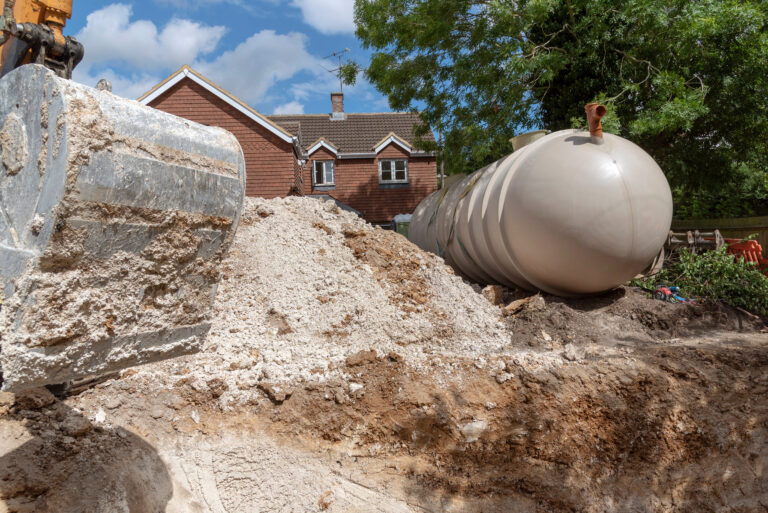
A drainage field, also known as a soakaway or infiltration system, is an essential part of a septic tank or sewage treatment plant. It is responsible for safely dispersing treated wastewater into the surrounding soil, preventing pollution and protecting groundwater. In the South of England, where soil conditions and environmental regulations can vary, it’s important to understand how a drainage field works, why it’s necessary, and how to maintain it properly.
How Does a Drainage Field Work?
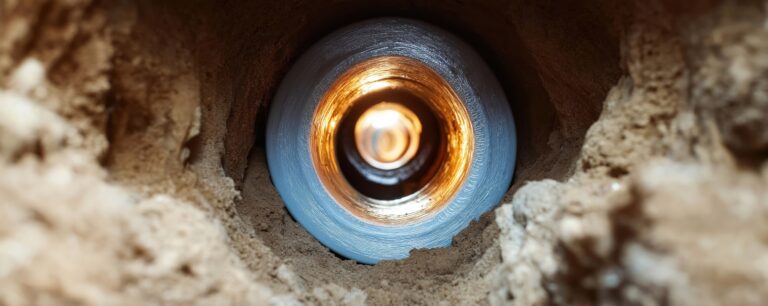
A drainage field is a network of perforated pipes laid in trenches filled with gravel. These pipes distribute the effluent (treated wastewater) from a septic tank or treatment plant into the surrounding soil. The soil naturally filters and breaks down any remaining organic matter, ensuring that only clean water percolates through to the groundwater.
This process relies on good soil permeability, meaning the ability of the ground to absorb and treat the water efficiently. In the South of England, where areas like Hampshire, Sussex, and Kent have a mix of clay, chalk, and sandy soils, proper design and installation are crucial to ensure the system functions effectively.
Why Are Drainage Fields Important?
- Prevents Waterlogging and Flooding – Without a properly designed drainage field, wastewater could pool on the surface, causing foul odours, waterlogging, and potential health hazards.
- Protects Water Quality – A well-functioning drainage field helps prevent pollution of local streams, rivers, and groundwater by filtering harmful contaminants from wastewater.
- Complies with UK Regulations – In England, drainage fields must meet Environment Agency General Binding Rules to ensure they don’t harm the environment. This means you can’t discharge wastewater directly into a ditch or watercourse.
- Extends the Life of Your Septic System – A drainage field allows the treated wastewater to disperse slowly and naturally, preventing septic tank overload and reducing the need for frequent emptying.
Factors Affecting Drainage Fields in the South of England
1. Soil Type
- Chalky and Sandy Soils (common in Sussex and Dorset) generally drain well but may need careful assessment to prevent rapid percolation.
- Clay Soils (often found in parts of Surrey and Hampshire) have poor drainage, meaning a standard drainage field may not be suitable. Alternative solutions, such as raised bed systems, may be required.
2. Water Table Levels
Areas with a high water table (e.g., parts of Somerset) may struggle with effective drainage as the soil is already saturated. In these cases, additional drainage solutions may be needed to ensure wastewater disperses safely.
3. Regulatory Compliance
With stricter regulations on wastewater treatment, it’s crucial to ensure your drainage field meets the latest Environment Agency standards. Non-compliant systems may require upgrades, particularly if they are too close to a watercourse or property boundary.
How to Maintain a Drainage Field
Proper maintenance of your drainage field can extend its lifespan and prevent costly repairs. Here’s how:
- Limit Water Usage – Excessive water entering the septic system can overwhelm the drainage field. Avoid running multiple appliances at once and consider water-saving fixtures.
- Avoid Heavy Traffic – Driving vehicles or placing heavy structures over the drainage field can compact the soil and damage the pipes, leading to poor drainage.
- Regular Septic Tank Emptying – If the tank overflows, solids can enter the drainage field and cause blockages. Regular emptying (typically every 1-3 years) is essential.
- Use Biodegradable Cleaning Products – Harsh chemicals can disrupt the bacteria in your septic system, leading to inefficient wastewater breakdown.
- Monitor for Signs of Failure – If you notice slow drainage, foul odours, or soggy ground near the drainage field, it could indicate a problem requiring professional inspection.
When to Replace or Upgrade a Drainage Field
Over time, drainage fields can become clogged with organic matter, reducing their effectiveness. If you experience persistent drainage issues, you may need a replacement or upgrade. Modern solutions like drainage mounds or constructed wetlands can be considered in areas with poor soil conditions.
If you’re in the South of England and unsure about the state of your drainage field, it’s best to consult a local drainage expert. A professional assessment, including percolation tests and CCTV drain surveys, can determine whether repairs or upgrades are needed.
Conclusion
A drainage field is a vital component of any septic system, helping to safely disperse treated wastewater while protecting the environment. Homeowners in the South of England should consider their local soil conditions, water table levels, and compliance with regulations when installing or maintaining their drainage field. With proper care and regular maintenance, a drainage field can provide effective wastewater treatment for many years, ensuring a trouble-free drainage system for your home.